Even though the band has never really reached consensus on the role or place of a cover song in our setlists (let alone which covers to be doing), I’ve always firmly believed that covering other artists’ material gives first-time listeners a familiar reference point during a live performance and helps them identify where to place us in the map of the complex ever-expanding musical genres’ ecosystem. Over the years, we’ve included several cover songs in our shows, but until now, we’ve never officially released one.
More on the function of a Cover Song
Some songs have virtually reached folk status, like for instance Leonard Cohen‘s Hallelujah. A folk song, is originating among the people of an area, passed by oral tradition from one singer or generation to the next, and that is often existing in several versions, (more often than not marked by simple, modal melody and stanzaic, narrative verse) whilst authorship is not really important at all. The songs are shared by the people and the song is no longer the songwriter’s but of the people themselves. Covering songs is in a way partaking in this celebratory story telling tradition.
It’s well evident that Marilyn Manson (more on him later) got propelled to stardom by doing a few covers that resonated well with audiences, something that allowed for fans to be introduced to his original material, the Rolling Stone‘s first albums are filled with cover songs, not to mention Jimi Hendrix, The Animals and so on and so forth…
Sometimes, it would all indeed be about connecting with audiences by throwing a couple of people pleasers out there, and others just performing material by a more seasoned and established songwriter when one cannot afford employing them. Metallica are guilty of appropriating European acts’ material, passing it for theirs in early gigs; And Led Zeppelin… Well, we all know what they have been up to.
The Song
The Beatles, who coincidentally were also a cover band when they were first discovered (going by The Quarrymen and Silver Beetles), are definitely a band we all can agree they have a song or two with huge songwriting and cultural value, and they arguably are the epitome of rock music, pushing all boundaries, creating a youth culture, and popularising the genre like no one else before them (influenced by and building on the successes of Buddy Holly and Elvis Presley). So naturally we have previously covered numbers including I am the Walrus, I want You (She’s So Heavy), and Strawberry Fields Forever.
Regarded by many as the first Heavy Metal song, Helter Skelter was Paul McCartney‘s way of getting back to the Who‘s claims wanting I Can See No Miles to be the loudest and rawest song ever recorded.
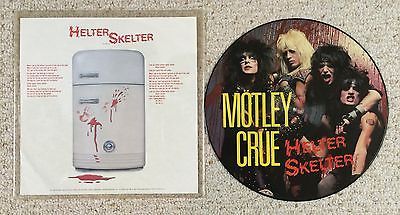
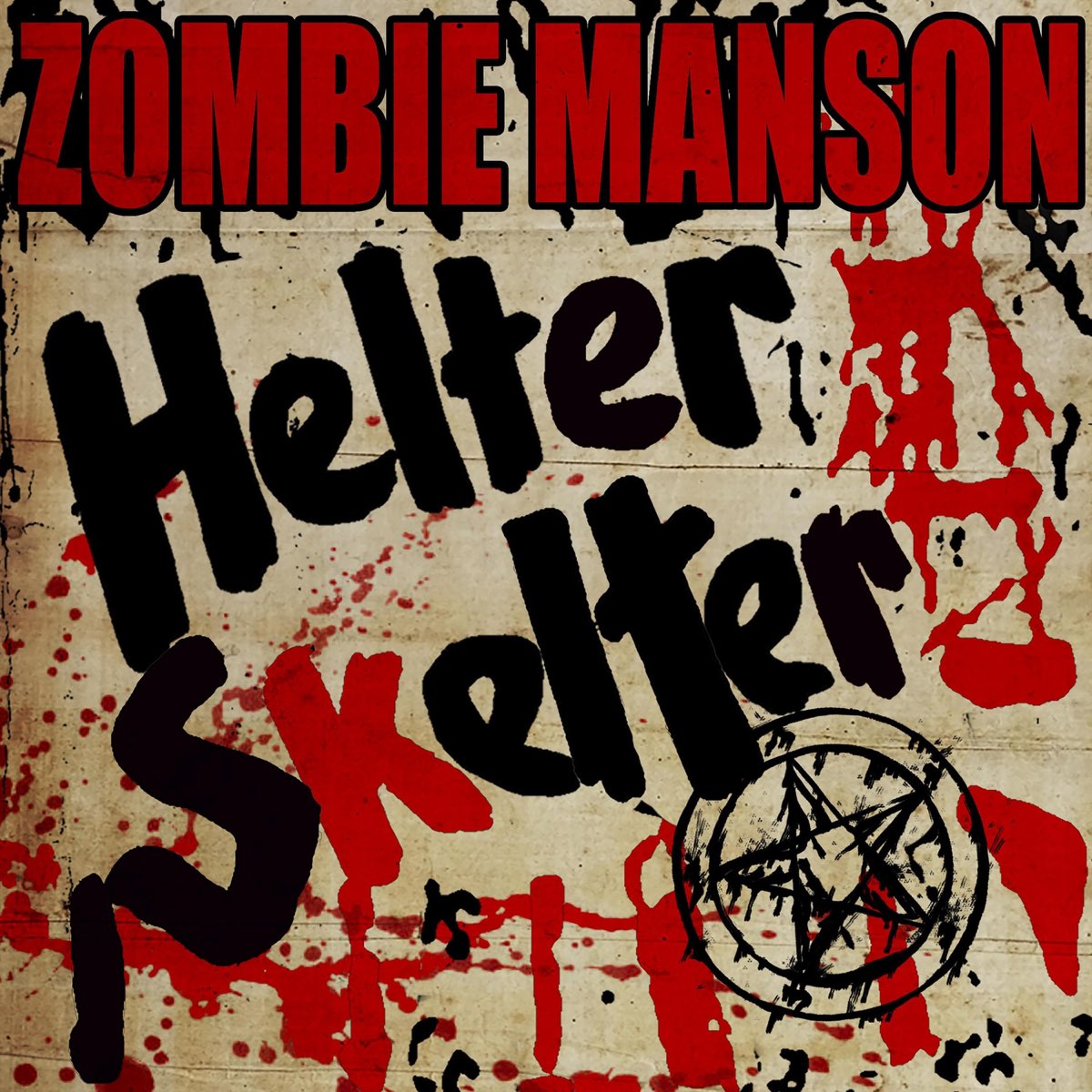
It has been covered by artists including Siouxsie and the Banshees, Mötley Crüe, Aerosmith, U2, Oasis, Rob Zombie and Marilyn Manson, whilst it has often featured many Paul McCartney‘s setlists over the years.
Folk and Folklore
Our version of Helter Skelter has been recorded (bar the vocals) and subsequently shelved for a good 14 years now; and it also happens that there’s a fairly interesting story behind it.
In the romantic for the alternative counterculture MySpace era, when everybody had a band and everyone appreciated music, we were introduced to a lady from the US’ bible belt, who at the time was looking for bands to provide music for a documentary about Charles Manson, an Australian director was putting together. For the purposes of this blog we will call that lady Daisy, and we were introduced to her by two longstanding mutual friends; a fanzine editor from Long Island and our good friend Christophe, who has created logos for acts from Emperor to Rihanna, and designed a beautiful version of ours.
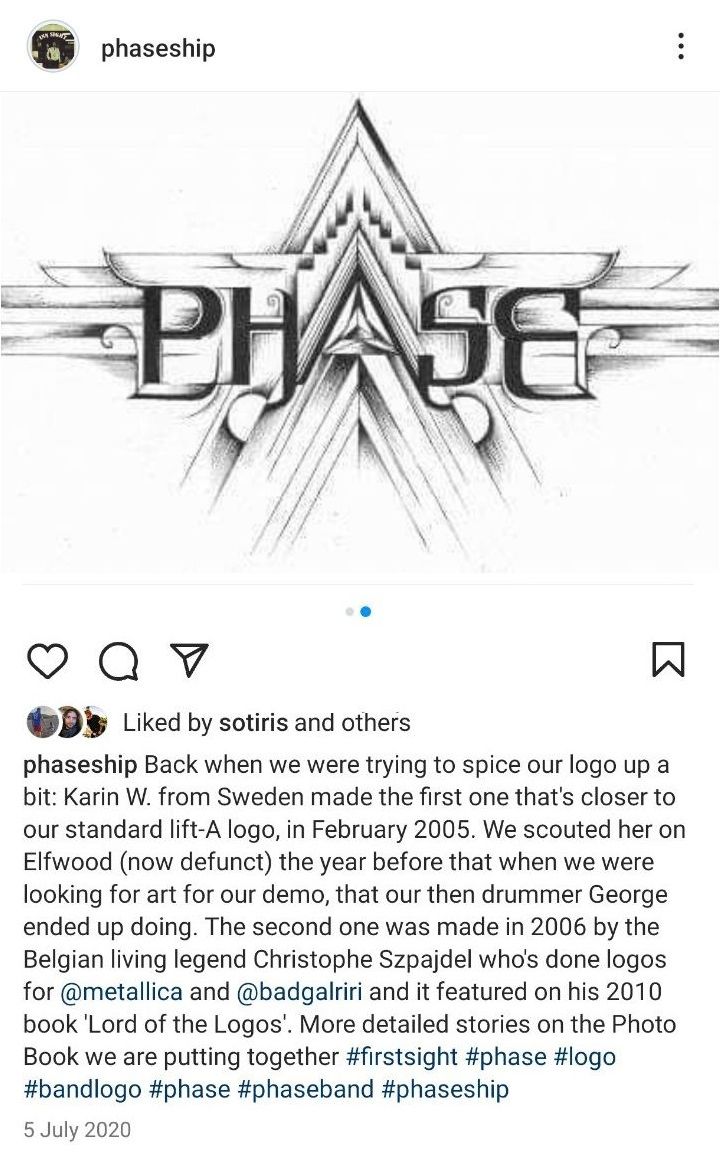
At the time we only had a handful of songs online and I remember sending over CD samplers containing Perdition, Hypoxia and Static and in one of the frequent visits of Daisy’s to the prison, she played our music to Manson, who apparently loved our material, whilst she later proposed she wears a Phase T-shirt when interviewing him for the documentary. We committed to purpose record Helter Skelter for the endeavour, but after noticing some questionable Manson fandom from the rest of the parties involved, we decided to back off the project, as we were not certain about the light the documentary would portray Manson in, hence the song was left unfinished up to today.
At the time we found really puzzling how come people are fascinated by such darkness, and that was way before Netflix came about and popularised, and even possibly sparkled all that mass murderer docuseries frenzy it keeps on fueling.
Dean Fido, lecturer in Psychology at the University of Derby, has stated on the matter however that: “[…]whether it’s good or bad, we need something that creates an element of excitement. When we mix this desire with insight and solving a puzzle, it can give us a short, sharp shock of adrenaline, but in a relatively safe environment.”
Again, some of those people might be looking to understand the darkness in them, by using extreme cases as comparators. Relatedly, I always felt responsible for things like the WWII whenever I caught myself being arrogant. This approach serves particularly well as grounding, but it’s definitely not a moral exercise for the faint hearted.
For those who wonder what is the connection with Manson with that particular song and have a strong enough stomach might find the below enlightening:
At a time when not nearly enough research was done on the effects of recreational psychotropic drugs and particularly on LSD (another substance Netflix popularises, and even romanticises, in a similar manner early 2000s US college movies glamourised cannabis use, or what the Hollywood’s dream machine did for nicotine post war), Manson used the drug to radicalise and to encourage his cult (or family), mainly comprised of young vulnerable girls who were attracted to the hippie counterculture, to share his delusions that wanted the Beatles being the four horsemen from the New Testament‘s book of revelation, who through Helter Skelter instructed him to start a cultural war (and the killing of black people, something clearly the song has nothing to do with no matter how far one wants to stretch their search for polysemy in the lyrics).
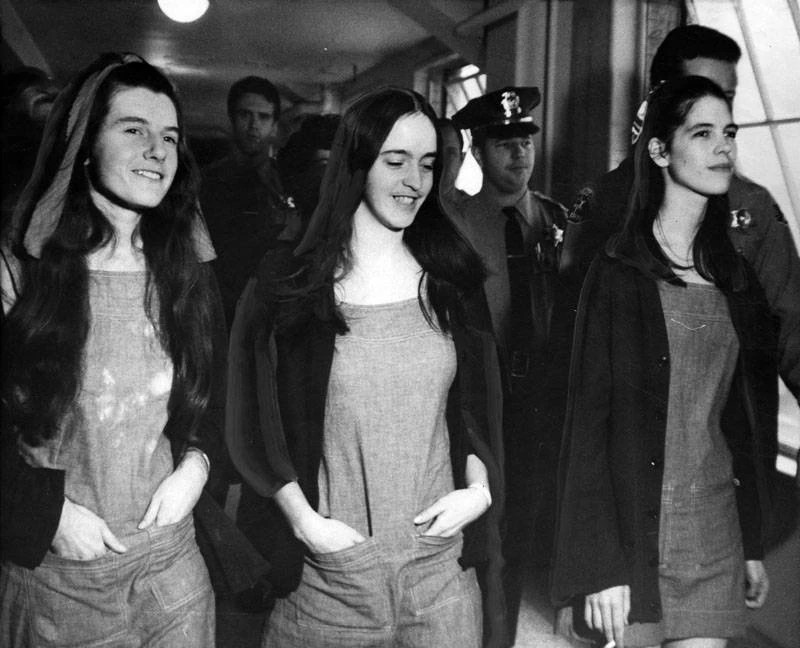
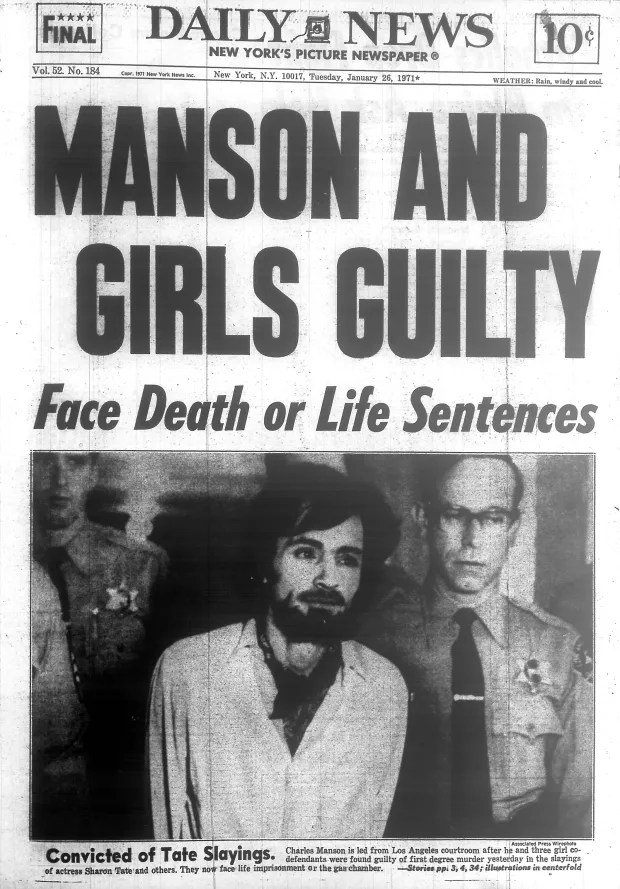
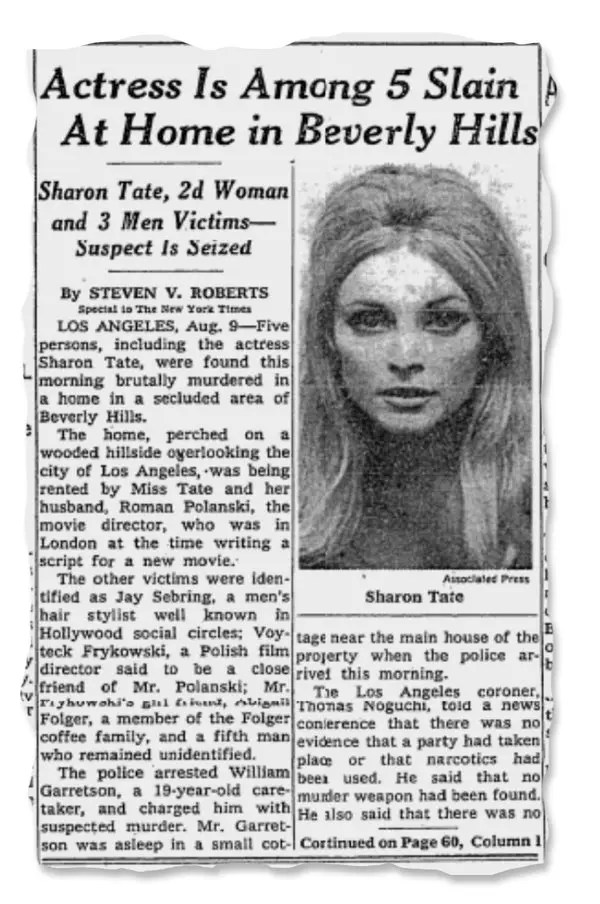
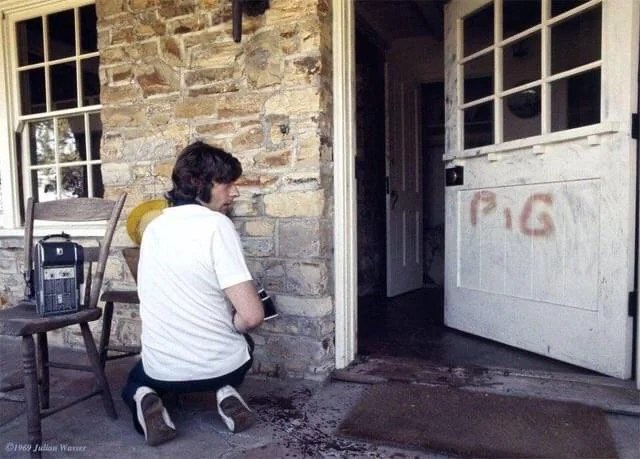
Manson happened to be a frustrated musician who had written a song the Beach Boys recorded (Never Learn not to Love, originally written as Cease to Exist), and enjoyed the respect of colossal artists in the likes of Neil Young. However, as not everyone accepted his ‘grandiosity’, he took offence at a producer who rejected him, and who happened to have lived in a mansion he had sold to film director Roman Polanski. Manson directed his ‘family’ to go to that address and kill everyone as revenge, likely not knowing of the change of ownership, and they subsequently brutally murdered 4 people (to be followed by a further 2), including Polanski‘s then heavily pregnant wife and actress Sharon Tate and went on to write inscriptions with their blood including Helter Skelter (misspelled as ‘Healter Skelter’) and ‘(Death to) Pigs’.
Initially, we felt that participating just for the sake of controversial shock value would be in poor taste, as some other artists have been guilty of that producing cringeworthy results (see below). However, after all these years, we now believe it could serve as a powerful way to draw attention to mental health conditions like substance abuse/misuse disorder, trauma, various personality disorders, psychosis, delusions, and paranoia—all perfectly manageable conditions that can quickly escalate and become truly frightening (if not gravely dangerous) if not appropriately addressed.
Manson, Hitler and that chap from Holy Hell documentary Michelle Rostan (amongst others), were all really failed frustrated artists, and there’s that unpopular opinion that had people had given them the opportunities and platform to create, we’d just have a few more shit artists at worse, or they would put all that manic energy of theirs on becoming exceptional at it. Maybe they would not be in the position to satisfy their craving for attention that could have stemmed from failed parenting, but art as a form of therapy, could have helped them manage their condition.
On Distasteful Exploitation
Trent Reznor of Nine Inch Nails (NIN) leased 10050 Cielo Drive mansion where the Tate Murders took place and despite his best attempts to claim his decision wasn’t a publicity stunt, and that his attraction to the property was due to the vast space rather than its dark history that aligned with his band’s murky image; he did name his home studio ‘Le Pig’, which was a reference to a message written in Tate’s blood on the front door of the house. Tate‘s sister would also publicly call him out for capitalising upon her sister’s tragic end.
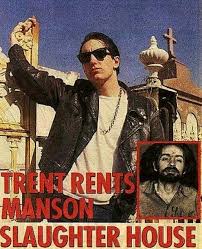
Marilyn Manson, a Trent Reznor groupie (up to the point the two eventually fell out) who would be mentored by the latter, also had music recorded and produced there by Reznor; adopted Charles Manson‘s last name for his persona.
Kasabian, adopted Linda Kasabian‘s name, who drove the family to the above-mentioned site and was a key witness on the relevant trial, whose testimony led to the conviction of several members including Manson himself.
When it comes to the documentary we were to be a part of, we later found out that a teaser was released on YouTube but the full thing never got an actual distribution.
I had completely forgotten that story altogether myself, and it wasn’t until an early hours of the day lock-in party in our once favourite bar, that I was telling that to our tour manager Jonny (Jonathan Paul Wilson), and it happened that Charles Manson died the next day (unless I am confused about it and it was that Manson died first and something popped up on a news feed I didn’t pay attention to, that I subconsciously picked up – although, I am pretty certain telling Jonny the next day when I had looked it up that it was strange it happened in that order – quite hair raising stuff).
Without further ado and Alex Arnaoutoglou‘s blessings, we present to you Helter Skelter finally mixed, mastered and repurposed by Mark Chudnovskyi!

 Phaseship - The Phase Archives
One Comment Add yours